
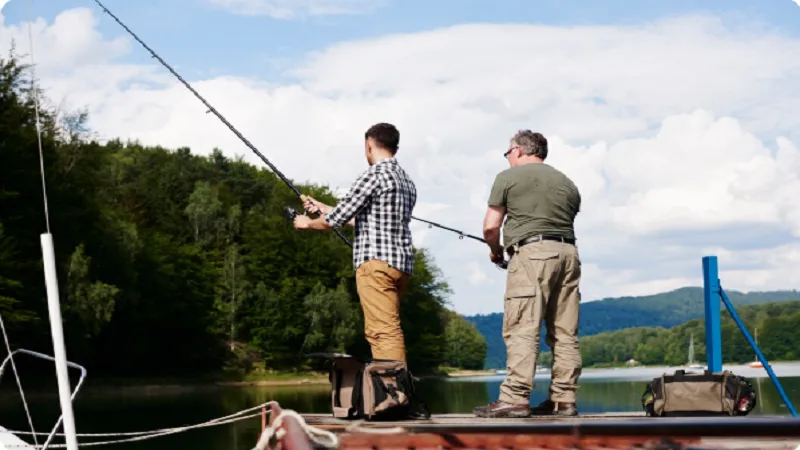
Fishing has long been a popular outdoor activity that combines relaxation, skill, and a connection with nature. Whether practiced as a hobby or a learning experience, fishing offers people a chance to understand aquatic environments and enjoy time away from daily routines. Many anglers rely on structured guidance to improve their skills and knowledge, and resources such as fishing guide thunderonthegulf are often discussed as examples of organized fishing guidance concepts. This article provides a simple and informative explanation of fishing guides, their role, essential fishing knowledge, safety practices, and how anglers can make the most of guided fishing experiences.
Understanding the Purpose of a Fishing Guide
A fishing guide is someone who provides direction, instruction, and support to anglers. The purpose of a guide is not only to help catch fish but also to teach proper techniques, explain local conditions, and promote responsible fishing practices. Guides often have in-depth knowledge of specific waters, seasonal patterns, and fish behavior.
Fishing guides are especially helpful for beginners who may feel overwhelmed by equipment choices, rules, or techniques. They also assist experienced anglers by offering local insights that save time and effort.
Types of Fishing Environments
Freshwater Fishing
Freshwater fishing takes place in lakes, rivers, ponds, and streams. Common freshwater species include bass, trout, and catfish. These environments often require lighter equipment and a focus on water temperature, current, and vegetation.
Saltwater Fishing
Saltwater fishing occurs in oceans and coastal areas. It may involve shore fishing, pier fishing, or deep-sea fishing. Saltwater species are often larger and require stronger gear and careful handling.
Coastal and Gulf Fishing
Coastal regions offer a mix of freshwater and saltwater species. Understanding tides, weather, and seasonal movement of fish is important in these areas. Many anglers seek guidance when fishing in coastal waters because conditions can change quickly.
The Role of Experience and Local Knowledge
Local knowledge plays a major role in successful fishing. Understanding fish migration patterns, feeding habits, and water conditions can significantly improve results. A guide familiar with a specific region can identify the best times and locations to fish.
For example, discussions around fishing guide thunderonthegulf often highlight the importance of understanding coastal environments, tides, and seasonal changes when planning a fishing activity. This type of knowledge helps anglers fish more effectively and responsibly.
Essential Fishing Equipment
Rods and Reels
Fishing rods and reels come in various sizes and strengths. Choosing the right equipment depends on the type of fish and water conditions. Lightweight rods are suitable for small fish, while heavier rods are used for larger species.
Bait and Lures
Bait can be live or artificial. Live bait includes worms and small fish, while lures are designed to imitate prey. Selecting the correct bait increases the chances of attracting fish.
Safety Gear
Safety equipment such as life jackets, sun protection, and first-aid kits is essential, especially when fishing from boats or in open water.
Learning Basic Fishing Techniques
Casting
Casting is the method of throwing the line into the water. Practicing proper casting improves accuracy and reduces tangles.
Reeling and Hook Setting
Reeling involves retrieving the line smoothly. Setting the hook correctly ensures the fish stays on the line without causing unnecessary harm.
Fish Handling
Handling fish carefully protects both the angler and the fish. Wet hands, gentle movements, and proper release techniques are important for conservation.
Safety and Responsibility in Fishing
Fishing should always be done responsibly. This includes following local regulations, respecting size and catch limits, and practicing catch-and-release when appropriate.
Weather awareness is also crucial. Sudden changes in wind or storms can create dangerous conditions, especially on open water. Preparation and caution help prevent accidents.
Planning a Guided Fishing Experience
Planning is an important part of any fishing trip. Factors such as season, weather, and location should be considered in advance. Anglers should also be clear about their skill level and goals.
When people research structured guidance concepts like fishing guide thunderonthegulf, they are often looking for organized information that helps them understand what to expect during a guided experience. Clear planning leads to a more enjoyable and productive trip.
Educational Benefits of Guided Fishing
Guided fishing experiences are educational. Anglers learn about aquatic ecosystems, fish species, and environmental balance. This knowledge encourages respect for nature and promotes sustainable fishing practices.
Learning directly from experienced individuals helps anglers gain confidence and improve skills faster than learning alone.
Environmental Awareness and Conservation
Fishing is closely connected to environmental health. Clean water, healthy fish populations, and balanced ecosystems are essential for long-term fishing opportunities.
Responsible anglers support conservation by following regulations, avoiding pollution, and respecting wildlife habitats. Education provided through fishing guidance plays a role in protecting natural resources for future generations.
Common Challenges Faced by Anglers
Fishing can be unpredictable. Weather changes, water conditions, and fish behavior all affect outcomes. Beginners may feel discouraged when results are slow.
Patience is a key skill in fishing. Understanding that not every trip results in a large catch helps anglers appreciate the experience itself rather than focusing only on results.
Improving Skills Over Time
Fishing skills improve with practice and observation. Keeping notes about locations, conditions, and techniques can help anglers identify patterns.
Listening to experienced advice, practicing regularly, and staying informed about environmental changes all contribute to long-term improvement.
Fishing as a Recreational Activity
Fishing is not only about catching fish. It is also about relaxation, mental well-being, and spending time outdoors. Many people fish to reduce stress and enjoy peaceful surroundings.
Fishing can be enjoyed alone or with family and friends, making it a flexible and inclusive activity.
Ethical Fishing Practices
Ethical fishing means treating fish and the environment with respect. This includes using appropriate equipment, avoiding waste, and releasing fish carefully when required.
Teaching ethical practices ensures that fishing remains a sustainable activity for future generations.
Long-Term Value of Fishing Knowledge
Fishing knowledge extends beyond the activity itself. It teaches patience, observation, and responsibility. These skills are valuable in many aspects of life.
Resources and discussions related to fishing guide thunderonthegulf often emphasize structured learning and awareness as tools for improving both fishing success and environmental responsibility.
Conclusion
Fishing is a rewarding activity that combines skill, learning, and respect for nature. Understanding techniques, safety measures, and environmental responsibility enhances the overall experience. Guided fishing concepts provide valuable structure and education, especially for those new to the activity or exploring unfamiliar waters.
By focusing on preparation, ethical practices, and continuous learning, anglers can enjoy fishing as both a recreational and educational pursuit. With patience and awareness, fishing becomes more than a pastime—it becomes a meaningful connection with the natural world.