
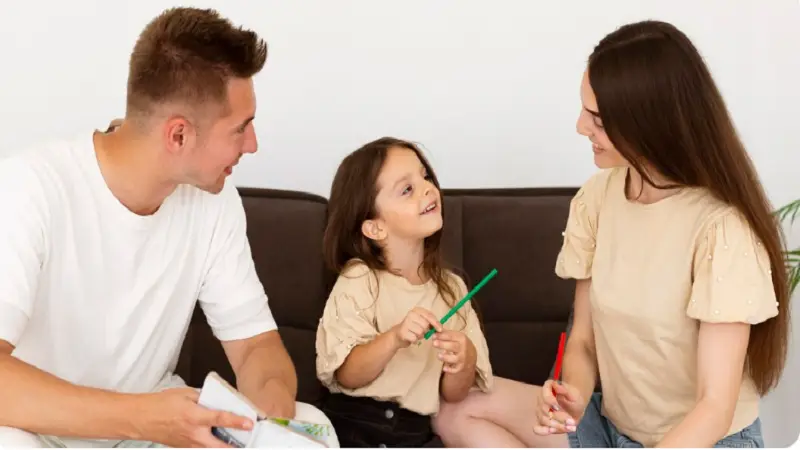
Parenting is one of the most rewarding yet challenging responsibilities in life. Every parent wants to raise confident, healthy, and emotionally secure children, but the journey is often filled with questions, doubts, and learning moments. A thoughtful parenting guide can provide clarity, reassurance, and direction during different stages of a child’s growth. This article offers a comprehensive and practical parenting guide designed to support parents in making informed decisions while nurturing strong family bonds.
Understanding the Role of a Parent
Parenting is not about perfection; it is about presence, patience, and purpose. Parents play a vital role in shaping a child’s emotional, physical, and moral development. Children learn first and most deeply from their home environment. The values, habits, and behaviors they observe often stay with them for life.
A strong parental role involves listening, guiding, and setting healthy boundaries. It also requires flexibility, as children’s needs change with age. By understanding the importance of emotional connection and consistent guidance, parents can create a safe space where children feel valued and supported. This foundation is a key principle emphasized throughout the fpmomtips parental guide by famousparenting, which focuses on balanced and mindful parenting.
Building Emotional Connection with Your Child
Emotional connection is the cornerstone of effective parenting. When children feel emotionally secure, they are more likely to communicate openly, manage stress better, and develop positive self-esteem.
Spending quality time together is one of the simplest ways to build this bond. This does not always require elaborate activities; even small daily moments such as talking during meals, reading together, or sharing thoughts before bedtime can make a big difference. Active listening is equally important. When parents listen without judgment, children feel respected and understood.
Emotional validation also plays a crucial role. Acknowledging a child’s feelings—whether happiness, anger, or sadness—helps them learn emotional awareness and regulation. Guides like the fpmomtips parental guide by famousparenting highlight the importance of empathy and emotional intelligence as essential parenting tools.
Positive Discipline and Setting Boundaries
Discipline is often misunderstood as punishment, but effective discipline is about teaching and guiding. Children need clear boundaries to feel secure and understand expectations. Positive discipline focuses on encouraging good behavior rather than punishing mistakes.
Setting rules that are age-appropriate and consistent helps children learn responsibility. When rules are broken, calm and logical consequences are more effective than harsh reactions. For example, explaining why a behavior is unacceptable helps children learn from their actions rather than feel fear or resentment.
Respectful communication is key during discipline. Parents who model calm behavior during conflict teach children how to manage their own emotions. The fpmomtips parental guide by famousparenting promotes discipline strategies that support learning, accountability, and mutual respect within the family.
Supporting Physical Health and Daily Routines
A child’s physical health is closely linked to their daily routines. Healthy eating habits, regular physical activity, and proper sleep are essential for growth and development. Parents play a major role in shaping these habits from an early age.
Providing balanced meals with a variety of nutrients supports physical and cognitive development. Encouraging children to be active—whether through sports, outdoor play, or simple movement—helps build strength, coordination, and confidence. Limiting excessive screen time is also important for maintaining both physical and mental well-being.
Sleep routines deserve special attention. Consistent bedtime schedules help children feel rested and focused. Adequate sleep improves mood, learning ability, and overall health. Parenting guides emphasize that structured routines give children a sense of stability and predictability, which is essential for their well-being.
Encouraging Learning and Curiosity
Learning does not only happen in schools; it begins at home. Parents can nurture curiosity by encouraging questions, exploration, and creativity. Reading together, discussing daily experiences, and engaging in educational play help develop critical thinking skills.
Creating a supportive learning environment does not mean pressuring children to perform. Instead, it involves celebrating effort, progress, and curiosity. When children feel safe to make mistakes, they become more confident learners.
Parents can also support learning by understanding each child’s unique strengths and interests. Some children learn best through hands-on activities, while others prefer reading or discussion. The fpmomtips parental guide by famousparenting emphasizes recognizing individual learning styles and fostering a love for learning rather than focusing solely on results.
Teaching Values and Life Skills
One of the most important responsibilities of parenting is teaching values. Honesty, kindness, respect, and responsibility are lessons children carry into adulthood. These values are best taught through example rather than instruction alone.
Daily life offers countless opportunities to teach life skills. Simple tasks like managing time, helping with household chores, and resolving conflicts help children become independent and responsible. Teaching gratitude and empathy also helps children build positive relationships with others.
Open conversations about right and wrong, combined with real-life examples, help children understand ethical decision-making. Parents who consistently model good behavior create a strong moral foundation for their children.
Managing Stress and Parental Well-being
Parenting can be emotionally and physically demanding. It is important for parents to take care of their own well-being to be able to support their children effectively. Stress management, self-care, and seeking support when needed are essential parts of healthy parenting.
Parents should recognize that asking for help is not a weakness. Whether it is support from family, friends, or parenting resources, shared experiences can provide comfort and insight. Taking time for rest and personal interests also helps prevent burnout.
A calm and emotionally balanced parent creates a peaceful home environment. Children are highly sensitive to their parents’ emotions, and a positive atmosphere encourages emotional security and trust.
Adapting to Different Stages of Childhood
Children go through many developmental stages, each with its own challenges and opportunities. What works for a toddler may not be effective for a teenager. Successful parenting requires adaptability and understanding.
Early childhood focuses on safety, emotional bonding, and basic routines. As children grow, parents shift toward guidance, independence, and open communication. During adolescence, trust and mutual respect become especially important.
Being flexible and willing to learn helps parents navigate these changes. The fpmomtips parental guide by famousparenting highlights the importance of adjusting parenting approaches while maintaining core values and emotional connection throughout all stages of childhood.
Conclusion
Parenting is a lifelong journey filled with learning, growth, and meaningful moments. While challenges are inevitable, thoughtful guidance and intentional parenting can make the journey more fulfilling. By building emotional connections, practicing positive discipline, supporting health and learning, and teaching strong values, parents can raise confident and compassionate children.
A balanced parenting approach focuses not on perfection, but on consistency, empathy, and understanding. With patience and awareness, parents can create a nurturing environment where children thrive emotionally, physically, and socially. This guide serves as a reminder that small, mindful efforts each day can have a lasting impact on a child’s life.